

Heated Floors – What Homeowners Should Know
By Rick Windgassen, VP of Operations
Most homeowners think they already understand heated floors — and most of what they think is outdated.
I’ve overseen the installation of hundreds of heated floors – in the last decade especially – and am pleased to report that the technology has matured quite a bit. Systems are safer, more reliable, more energy-efficient — and in some cases, capable of doing more than people realize.
Here are a few things worth knowing if you’re considering heated floors as part of a remodel — or even if you already have them.
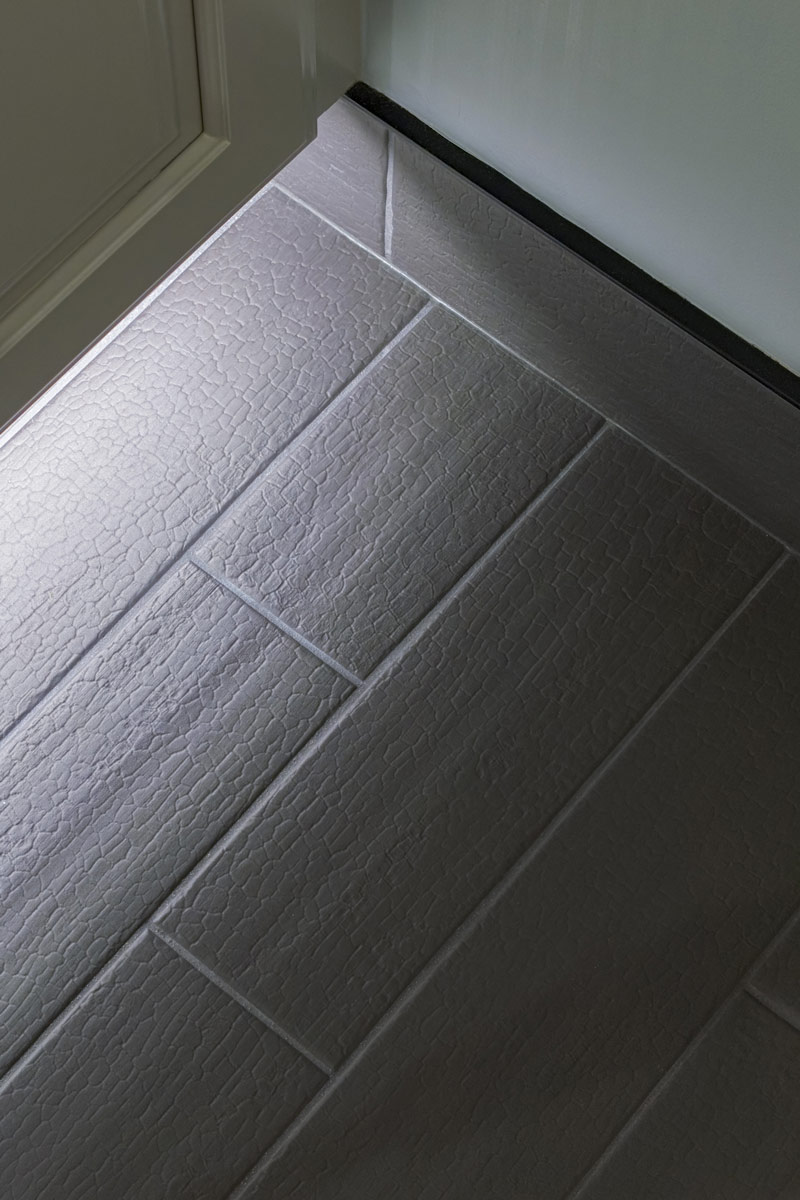
Heated floors use far less electricity than most people expect.
One of the biggest misconceptions is around energy use. Electric floor heating in a typical bathroom — roughly six by ten feet — is generally sized at about 12 Watts per square foot. That means the whole floor draws approximately the same peak power as several 100-watt light bulbs.
But unlike lights left on, a heated floor doesn’t run constantly. It’s controlled by a thermostat and cycles on and off to maintain warmth, so its actual energy consumption is often modest. In other words, heated floors aren’t the energy hogs many assume. For most homeowners, the comfort they provide comes with a surprisingly small operating cost.
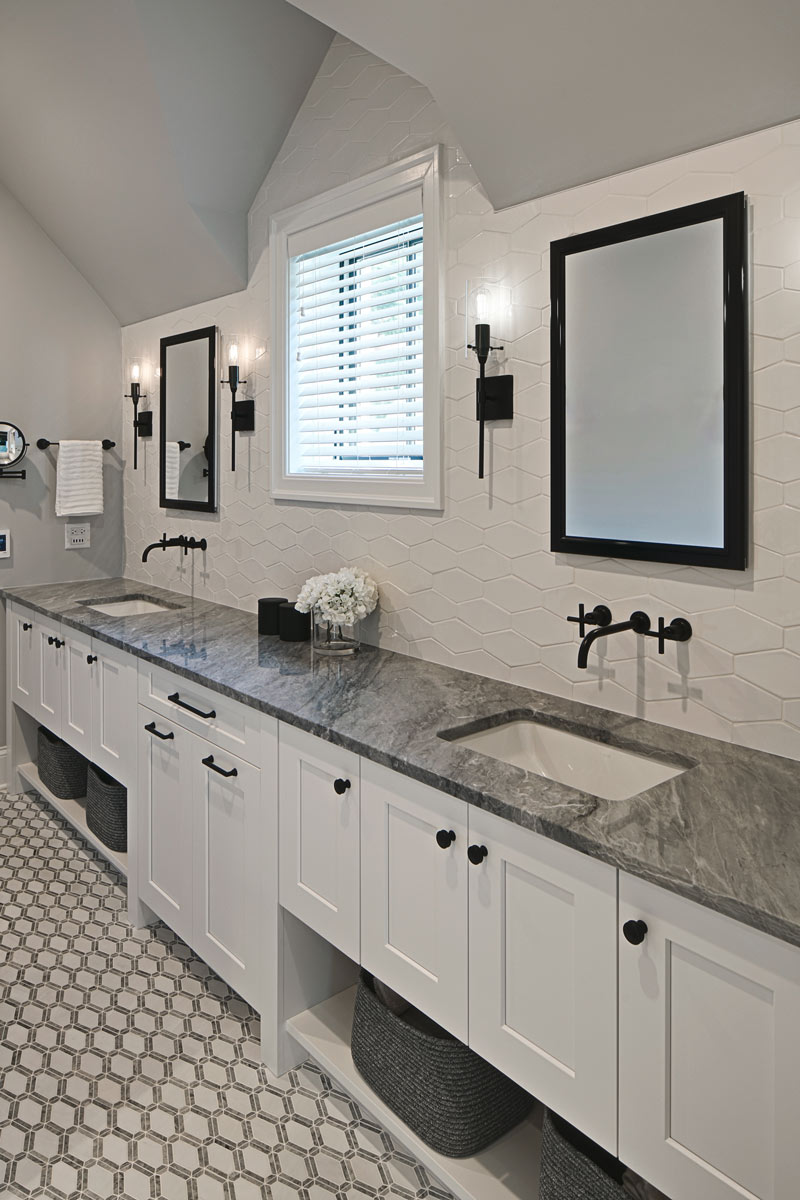
Reliability has improved dramatically
Years ago, heated floors had a reputation for being temperamental. If a wire failed beneath the tile, the system could stop working entirely — similar to a light bulb burning out.
Modern systems are built differently. Today’s installations include redundant safety measures, such as dual temperature probes embedded beneath the floor. One probe controls the system day-to-day; the other remains as a backup should the first ever fail.
That kind of built-in redundancy simply wasn’t common in earlier generations.
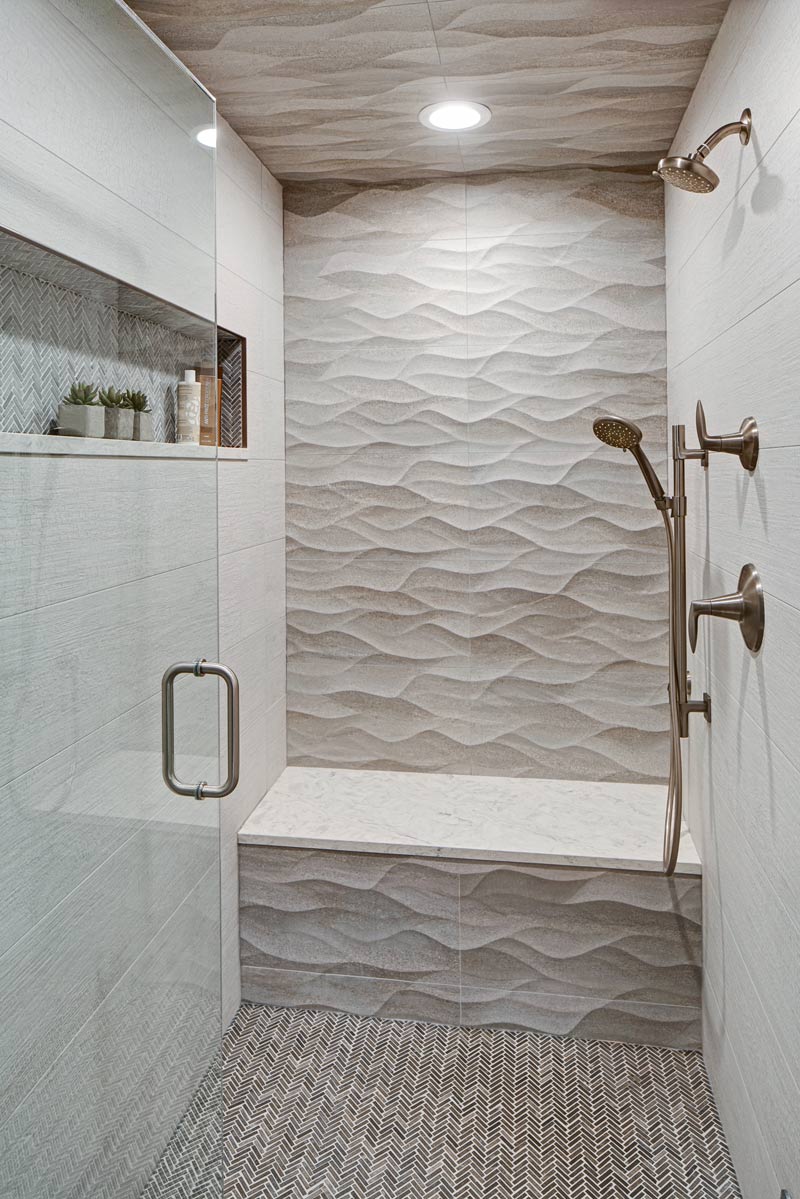
Heated floors can now be installed inside showers
This is one of the most significant developments, and it’s something many homeowners — even those who already have heated floors — don’t realize.
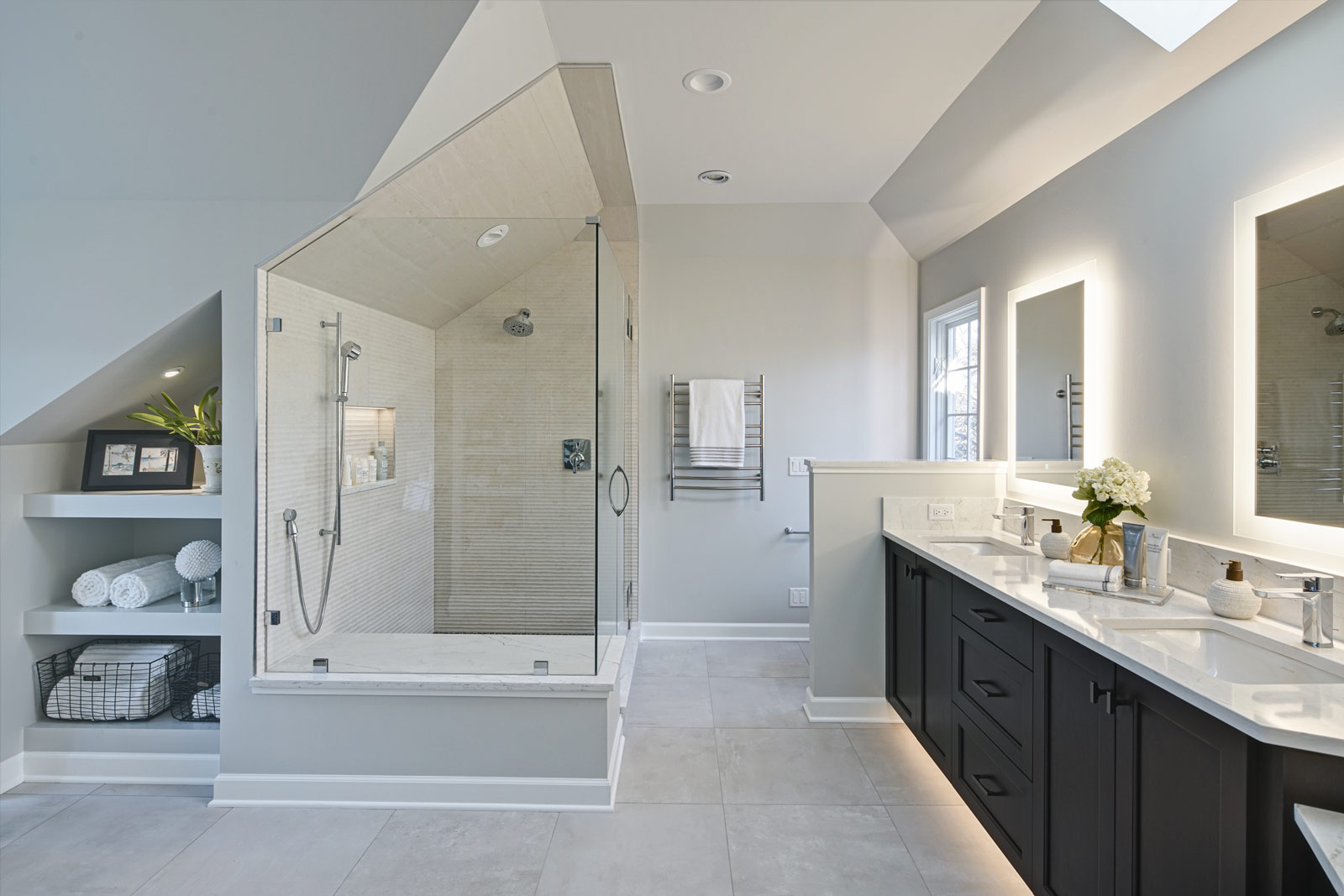
UL approval now allows certain systems to be installed directly within shower floors and benches. That opens up benefits beyond comfort.
Many people assume a shower doesn’t need floor heat because hot water warms everything quickly. What they don’t see is what happens after the shower is over.
Heat causes moisture to evaporate faster. A warmed shower floor dries dramatically more quickly than an unheated one, which helps reduce lingering moisture, mold, and mildew — especially in enclosed showers where doors are kept closed.
If natural stone is involved, heated floors can also help dry moisture absorbed within the stone itself. Benches benefit from internal heating elements, too — not just for comfort, but because grout joints and surfaces dry faster overall.
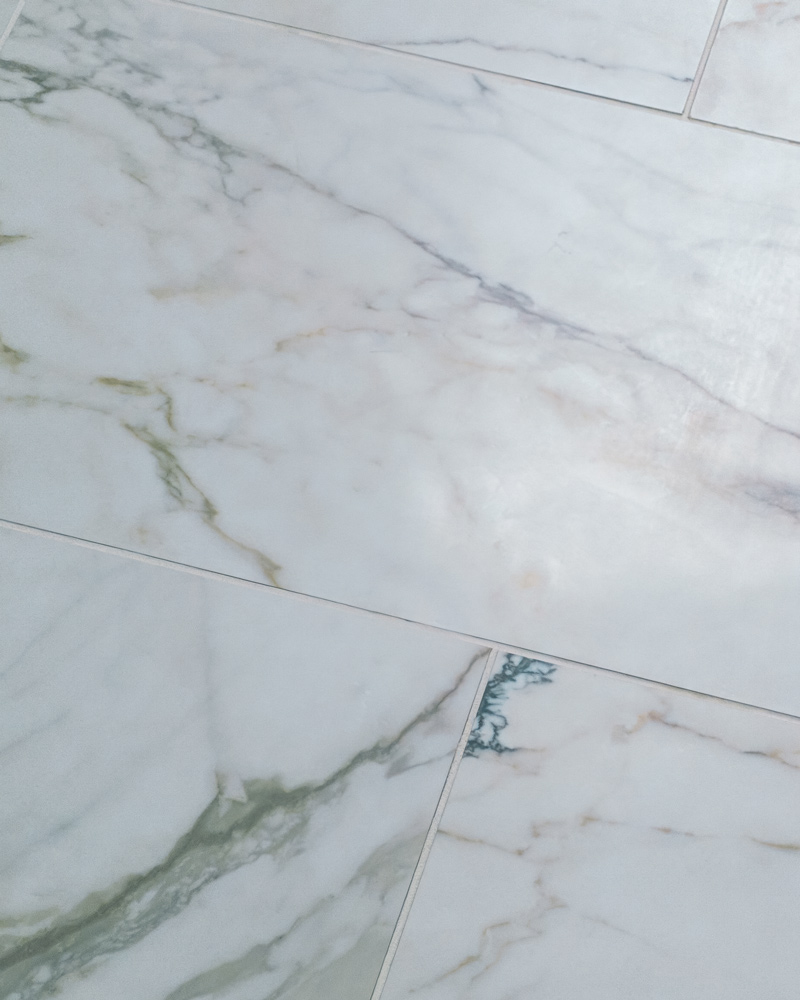
Heated floors quietly improve bathroom comfort
Bathrooms are often the coldest rooms in the house, especially in winter.
Upstairs bathrooms frequently sit above garages and often share exterior walls or corners with multiple windows. In other words, upstairs bathrooms are typically colder than other rooms. Even well-insulated spaces can feel chilly first thing in the morning.
Heated floors aren’t designed to replace a home’s heating system, but they do supplement it effectively. The result is a bathroom that feels consistently comfortable — especially when you step in barefoot.
Many homeowners tell us it’s one of those features you don’t think about once it’s installed — until you visit a bathroom without it.
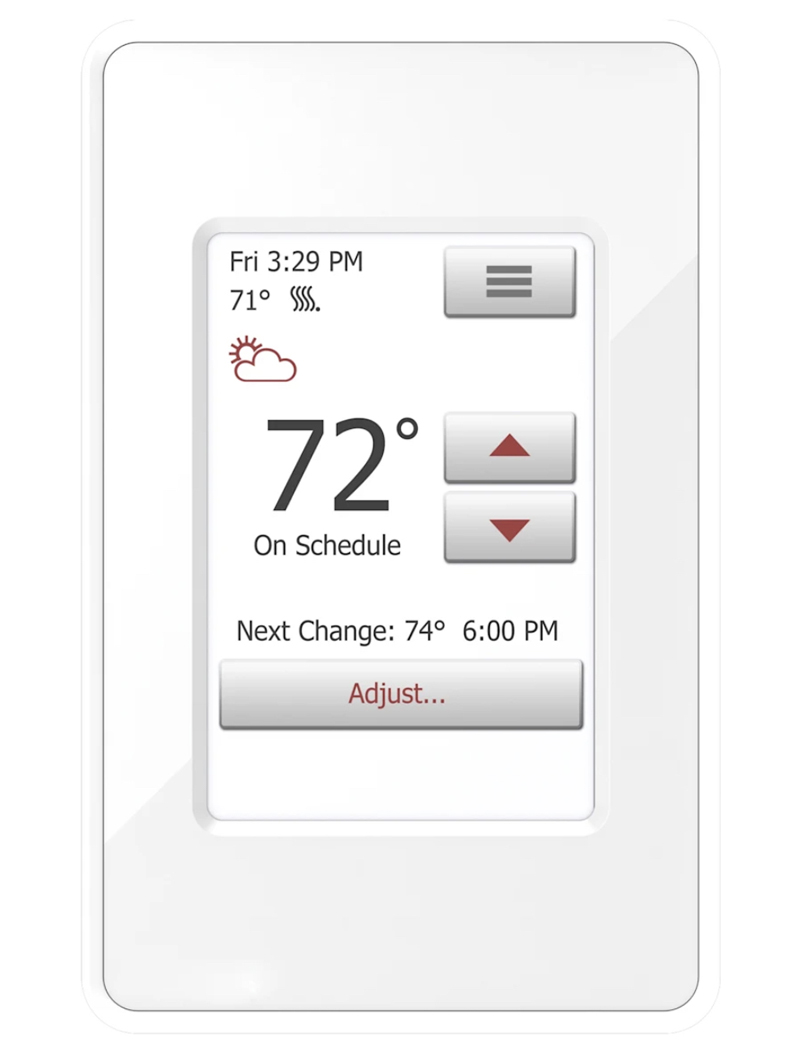
Controls are more flexible than people assume
Today’s thermostats offer several ways to control heated floors.
Some homeowners prefer programmable schedules — warming the floor early in the morning, then turning it down automatically during the day. Others use temperature-based control, allowing the floor to maintain a specific warmth independent of the home’s main thermostat.
This is especially appealing for people who sleep in cooler homes but want a warm bathroom once they’re up and moving.
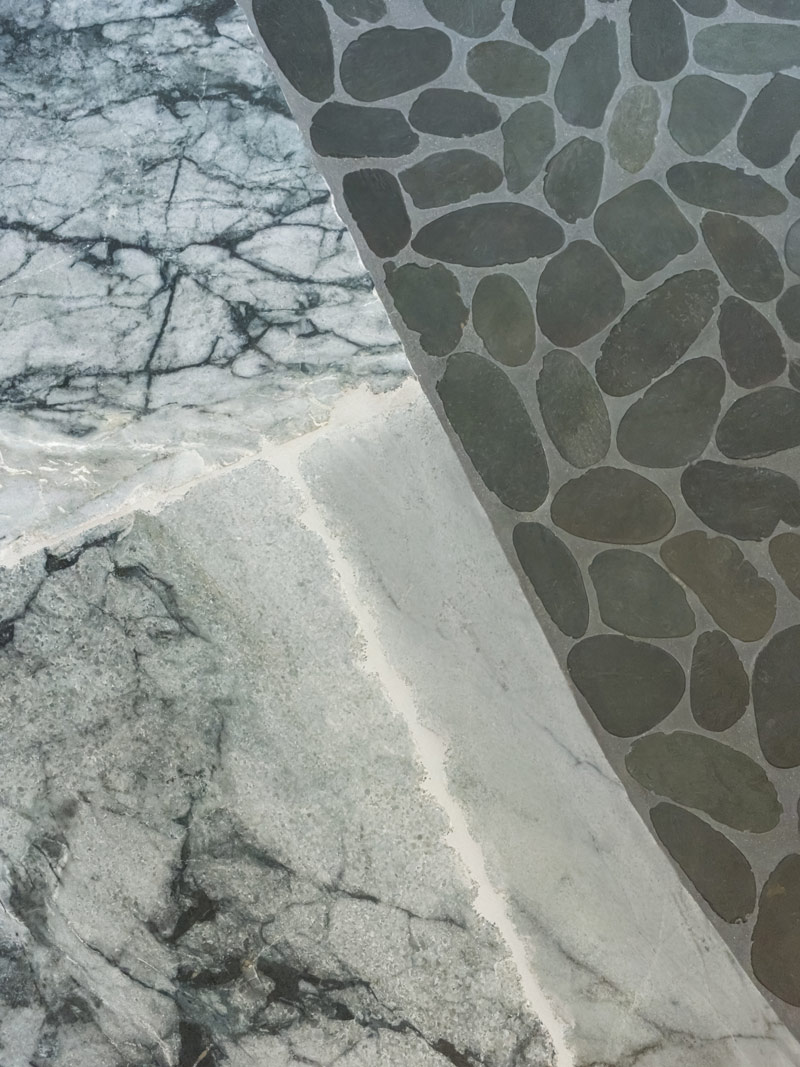
Tile type is rarely a limitation
Large-format tile, small mosaic tile, porcelain, ceramic, natural stone — heated floor systems work under virtually all of them.
In showers, smaller tiles are still required to properly slope toward the drain, but the heating system itself isn’t the limiting factor. What matters is proper layout, spacing, and installation technique.
This is not a DIY-friendly upgrade
Heated floors require precision.
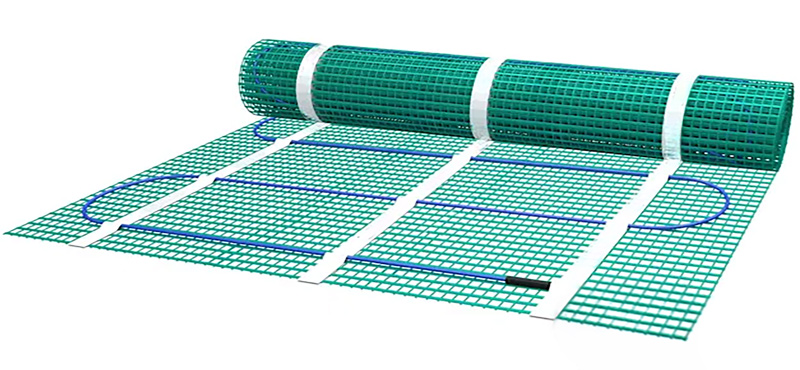
Spacing between heating wires matters. Too close in one area can create hot spots and damage the system beneath the tile. Temperature probes must be installed correctly — both the primary and the backup. Waterproofing layers must remain intact, especially in showers.
Our teams are certified installers and trained on these systems specifically. Mistakes are easy to make and impossible to fix once tile is installed. This is one area where professional experience isn’t optional.
Retrofitting is possible — but timing matters
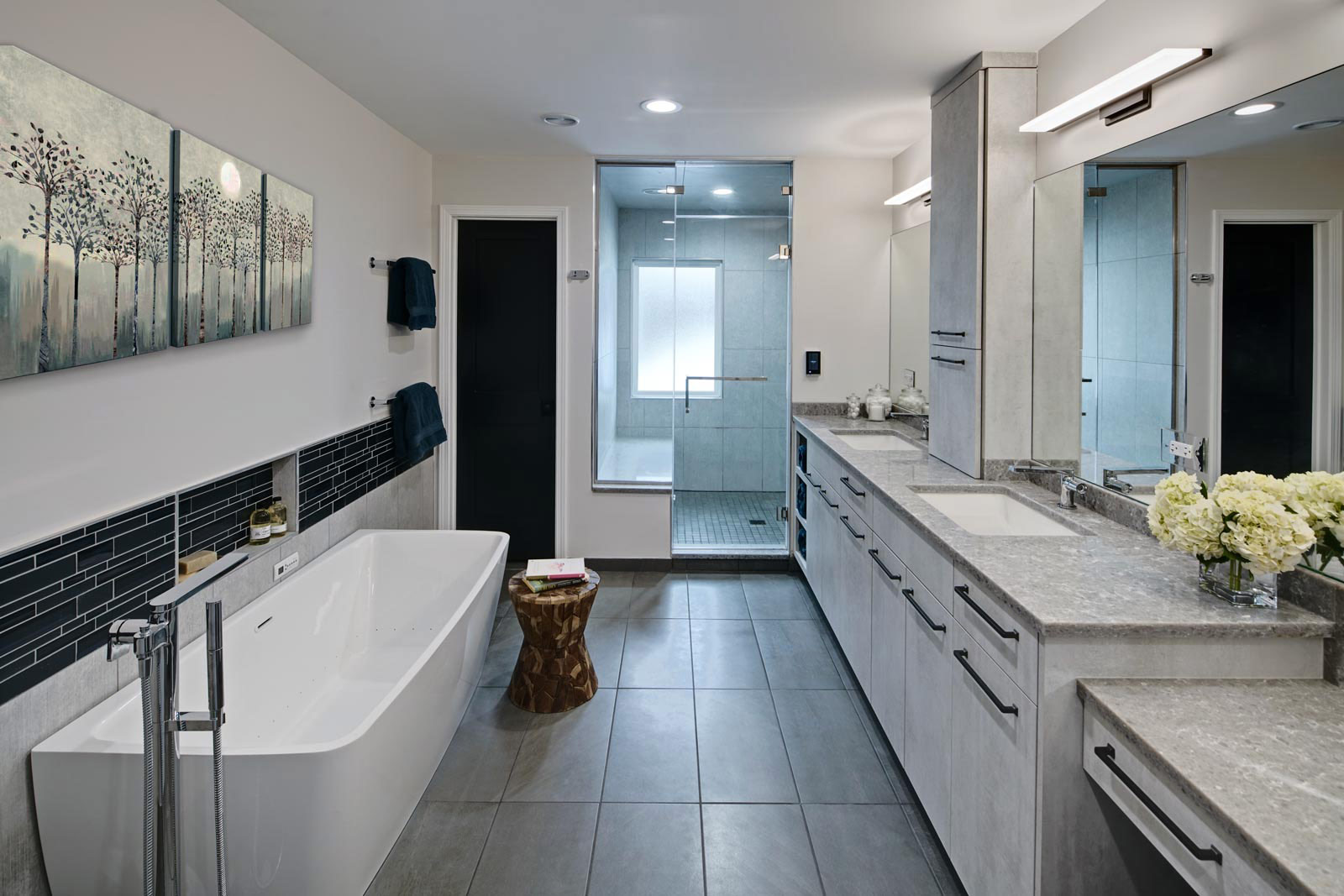
If a bathroom was remodeled recently, it may be possible to add heated floors later by replacing the tile floor alone. It’s doable, but involved.
Showers are different. Once tile is removed, waterproofing is compromised, which usually means a full rebuild. Heated floors in showers are best planned from the beginning of a remodel.
Heated floors have quietly expanded beyond bathrooms
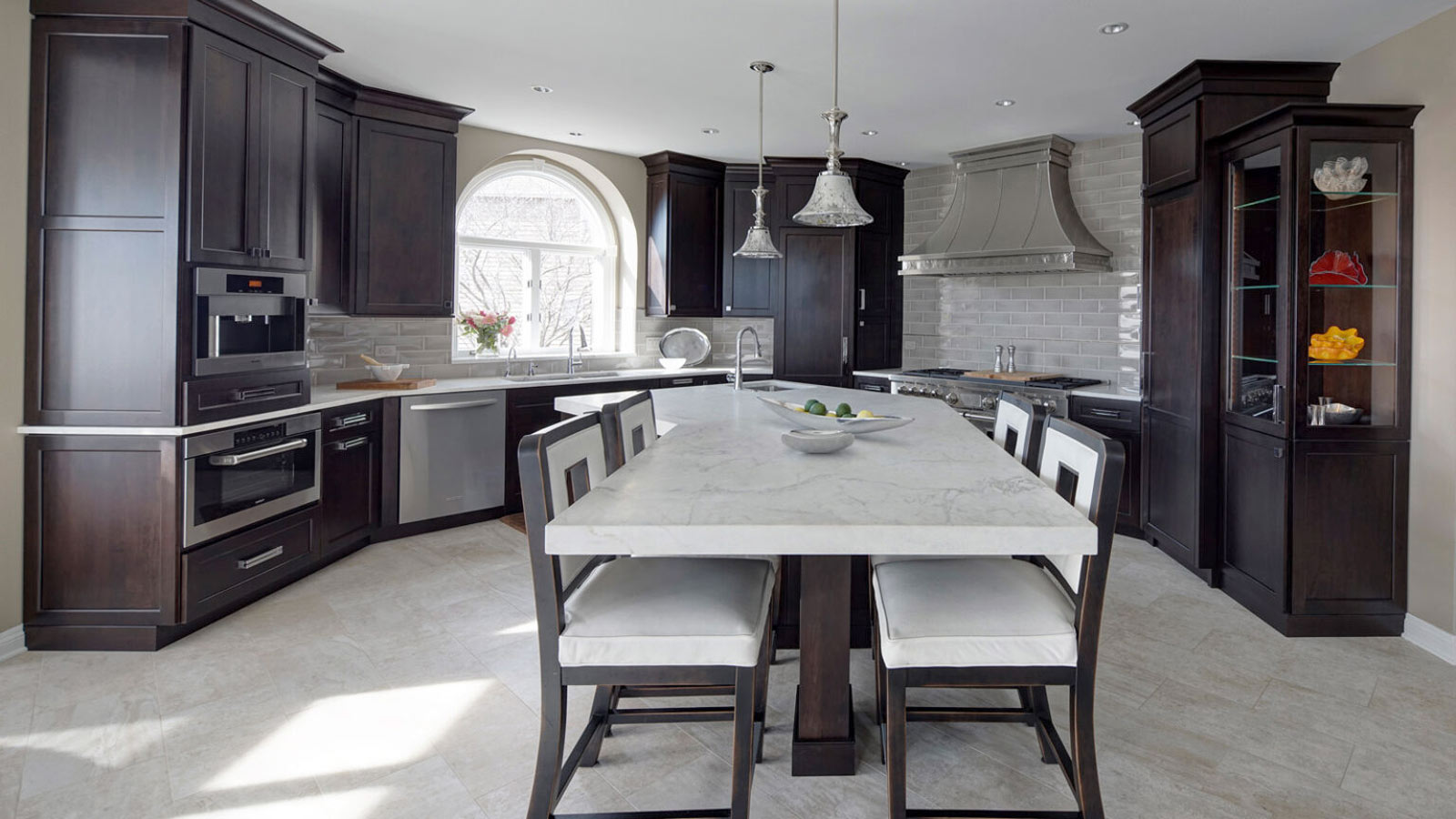
While bathrooms remain the most common application, heated floors can also be installed in kitchens, foyers, and even beneath certain wood floors using electric heat mats.
There are also wall-mounted radiant panels and heated towel warmers, which many homeowners initially dismiss — until they realize these features also help towels dry faster and stay fresher between washes.
The takeaway
Heated floors have come a long way.
They’re more efficient, more reliable, and more versatile than most people realize — especially with newer applications like shower floors and benches. Whether you’re planning a remodel now or simply thinking ahead, they’re worth understanding early, when the design decisions still matter.
Done right, they’re not just about warmth. They quietly improve comfort, performance, and durability in ways homeowners tend to appreciate more with time.
Next steps
When you’re ready, the next thing I’d suggest is a conversation — early in the planning process — about where heated floors make the most sense for your home and how today’s systems can be integrated safely and efficiently.