

What’s Inspiring Our Senior Designers as We Look Ahead
As one year wraps up and another comes into view, we asked our senior designers to pause for a moment — to look back, look around, and look ahead. Not to predict trends or declare what’s “in,” but to talk honestly about what’s been catching their attention lately and shaping the way they think about design.
What follows is a snapshot of those conversations — reflections on warmth, texture, memorable spaces, and what really matters when you’re planning a home you’ll live in for years to come.
A Fresh Start, with Openness Built In
“A new year is like a new canvas,” says Gladys Schanstra, owner and creative director of Drury Design. “Designers rely on training and experience, but new projects in a new year allow us to create with a kind of openness to new possibilities.”
That openness — to new perspectives, new approaches, and new ways of solving familiar problems — sets the tone for the rest of the team. Several designers echoed the idea that the most successful projects aren’t driven by novelty, but by intention.
“A new year always feels like a fresh start,” says Alicia Saso. “I like beginning the year with positivity and excitement — and staying open to new ideas. That mindset makes it easier to see possibilities instead of limitations.”
“It’s easy to get caught up in finishes and trends,” says Basia Kozub. “But the projects that really last are the ones where the layout, flow, and functionality truly support daily life. When that’s right, everything else falls into place.”
Warmth Is Back — and It Feels Good
Looking back on 2025, one shift stood out across nearly every conversation: a return to warmth.
“I loved the comeback of color,” says Lauren Feurich. “Those deep, moody tones bring such a warm, cozy feeling. It finally felt like the year color really came back everywhere.”
Basia noticed the same thing from a different angle.
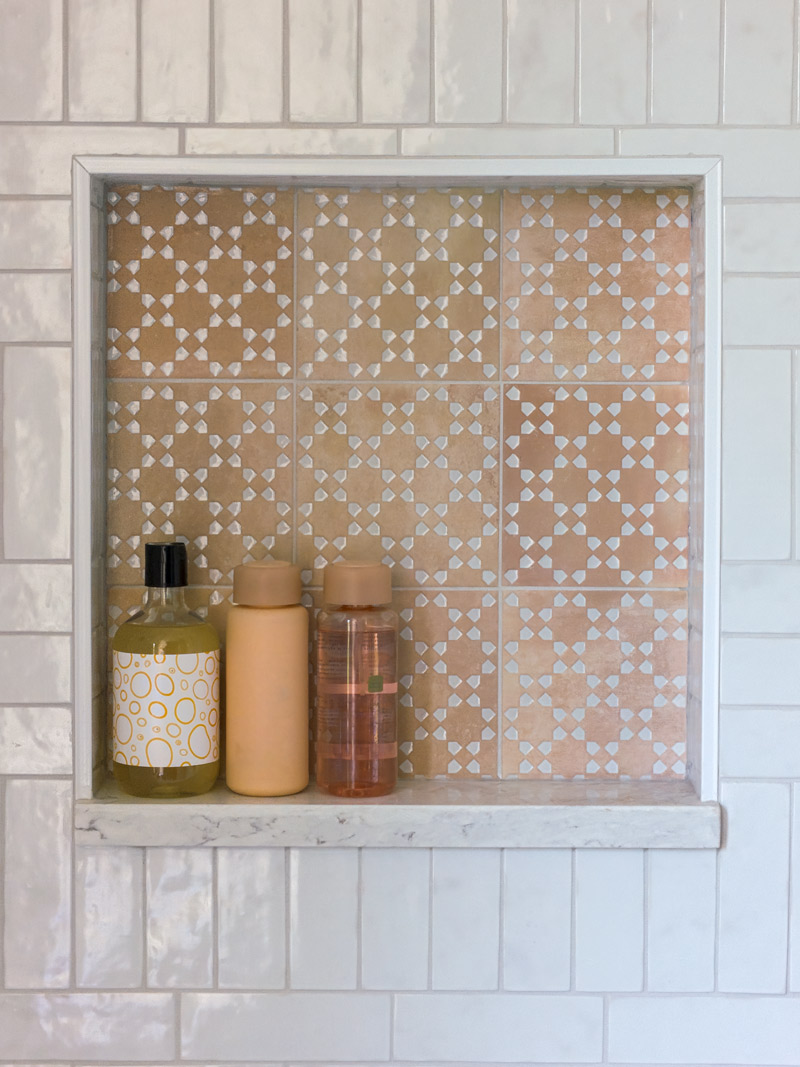
“I was surprised by how many clients gravitated back toward warmth,” she says. “Softer palettes, warmer woods, and more layered spaces — it was refreshing to see comfort take center stage again without losing a clean, timeless look.”
Texture played a big role in that shift as well.
“I’ve been happily surprised to see texture continue to thrive,” says Samantha Schoell. “Fluted cabinetry, ribbed panels, scalloped edges — those kinds of details add depth and personality without making a space feel trendy.”
And while color is clearly back, it’s being used with more confidence — and restraint.
“I think we’ll continue to see color, but in a more thoughtful way,” adds Kelly Trotz. “People are feeling comfortable using it now, which makes all the difference.”
Spaces That Stop You in Your Tracks
Not all inspiration comes from a screen. Sometimes it happens when you’re standing inside a space that just works.
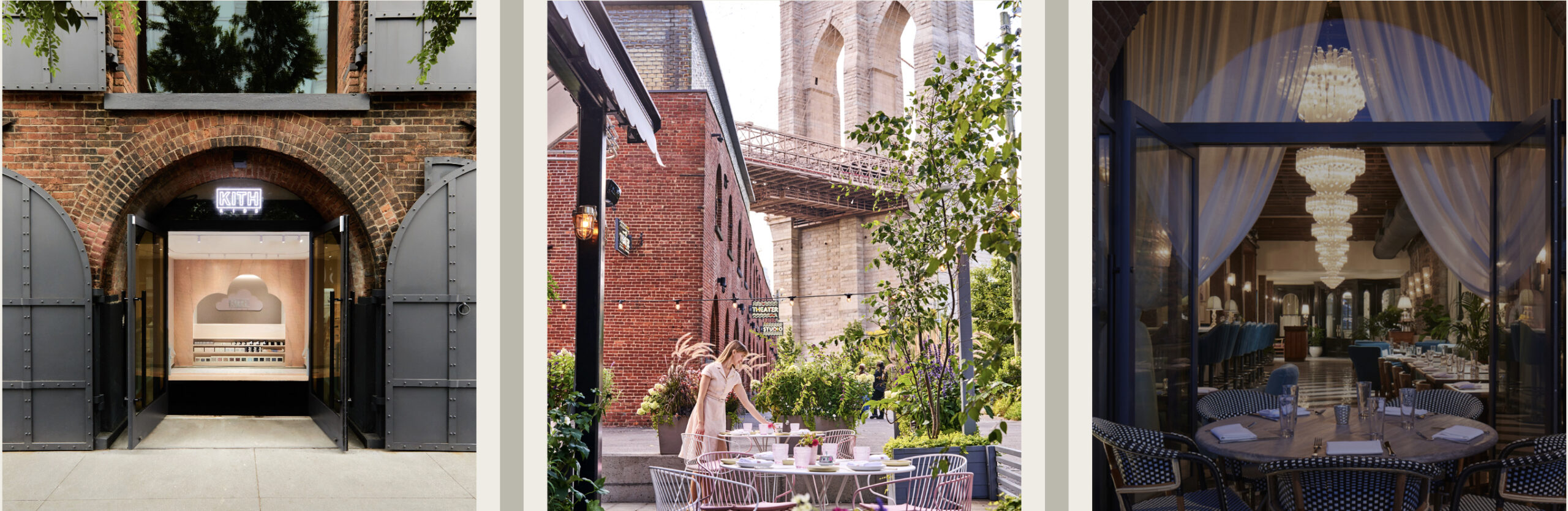
“I was completely overwhelmed — in the best way — by the architecture and interiors in New York,” says Schoell, recalling a recent family trip. “Empire Stores really stopped me in my tracks. The way it honors the original industrial character while layering in modern design is exceptionally well done.”
Located beneath the Brooklyn Bridge along the East River, the restored factory blends restaurants, retail, and cultural spaces into an indoor-outdoor experience that feels both grand and thoughtful.
Other designers pointed to inspiration found in unexpected places — including film and television sets.
“I’m always drawn to sets with a mid-century modern vibe,” says Trotz. “They feel warm and lived-in, not precious. That approachability is what sticks with me, especially when it’s outside the style I normally design.”
Looking Ahead to 2026, with Curiosity
Rather than chasing predictions, the team is looking ahead with curiosity.
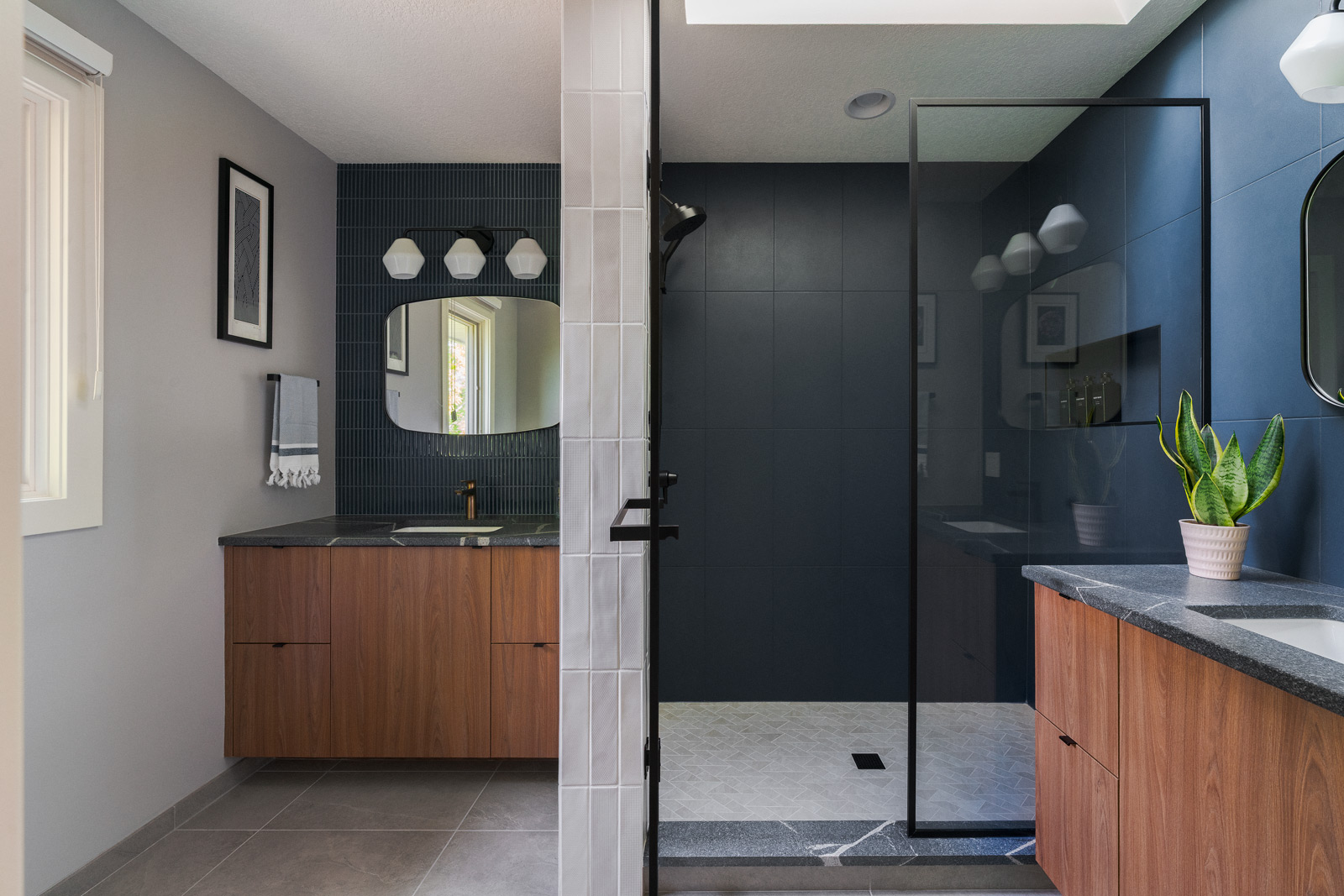
“I’m really excited about the design conversations happening right now,” says Emily Kreber, design director for City Design (Drury Design’s West Des Moines location). “There’s more focus on natural stone, bold color palettes, and organic textures — and on how spaces can adapt as people’s needs change.”
That adaptability keeps coming up.
“I’m especially interested in modular and flexible design,” Emily adds. “Kitchens and baths that can shift from open, airy spaces to more intimate, functional ones depending on the moment.”
Storage and multi-functional spaces are also top of mind.
“Kitchens today have to support entertaining, working, and everyday family life,” says Kozub. “Thoughtful storage and flexibility are becoming essential.”
And for Feurich, part of looking ahead includes continuing to learn.
“I’m really looking forward to attending KBIS in 2026” she says. “It’s such a hub for new ideas and materials, and I love coming back with fresh perspectives to share.”

Advice for Anyone in the Idea-Gathering Phase
When asked what advice they’d give homeowners just starting to think about a project, the answers were strikingly consistent.
“Social media makes it easy to scroll endlessly for inspiration,” says Schoell. “But the most important thing is understanding why you want to remodel and how you actually use the space.”
Feurich agrees.
“Don’t worry about what’s trendy or what everyone else would like,” she says. “If you’re going to live with it every day, it should reflect you — not a moment in time.”
Inspiration doesn’t have to come from the internet, either.
“There’s inspiration all around us every day,” says Saso. “A restaurant, a trip abroad, a space that just feels right — those experiences are often the best place to start.”
And sometimes, looking outside your comfort zone helps sharpen your vision.
“Explore styles you may not think are yours,” adds Trotz. “You don’t have to commit to everything, but blending elements from different styles can make a space feel much more personal.”
Good design isn’t about chasing what’s next. It’s about listening, thinking carefully, and creating spaces that feel right now — and still feel right years down the road.
That shared mindset is what connects our senior designers, and it’s what continues to guide the work we do every day.