

Why Some Coffee Tastes Better — And How Modern Kitchens Are Catching Up
By Joe Coffey, Marketing Director
Most people think great coffee comes down to one thing: the beans.
That’s part of it. But it’s not the whole story — not even close.
If you’ve ever had an incredible cup of coffee on vacation, at a café, or even at a friend’s house and thought, why doesn’t mine taste like this? — the answer usually isn’t the brand on the bag.
It’s everything that happens around it.
The Part Most People Miss
Coffee is surprisingly sensitive.
Small variables — the kind most people never think about — can dramatically change the taste in your cup. And once you start paying attention to them, you realize how difficult it is to get consistently right.
A few of the biggest ones:
Freshness (Roasting and Grinding)
Coffee starts losing flavor almost immediately after roasting — and even faster after grinding. Pre-ground coffee? It’s already working against you.
Grind Size and Consistency
Too coarse, and the coffee under-extracts (thin, sour).
Too fine, and it over-extracts (bitter, harsh).
Even slight inconsistencies can throw things off.
Water Temperature
There’s a narrow sweet spot for different types of coffee (and teas). Too hot pulls out bitterness. Too cool leaves flavor behind.
Coffee-to-Water Ratio
This is the difference between “that’s nice” and “that’s really good.”
Water Quality
Coffee is mostly water. Minerals, filtration, and balance all matter more than people realize.
Extraction Time
How long the water interacts with the coffee grounds shapes everything — body, balance, clarity.
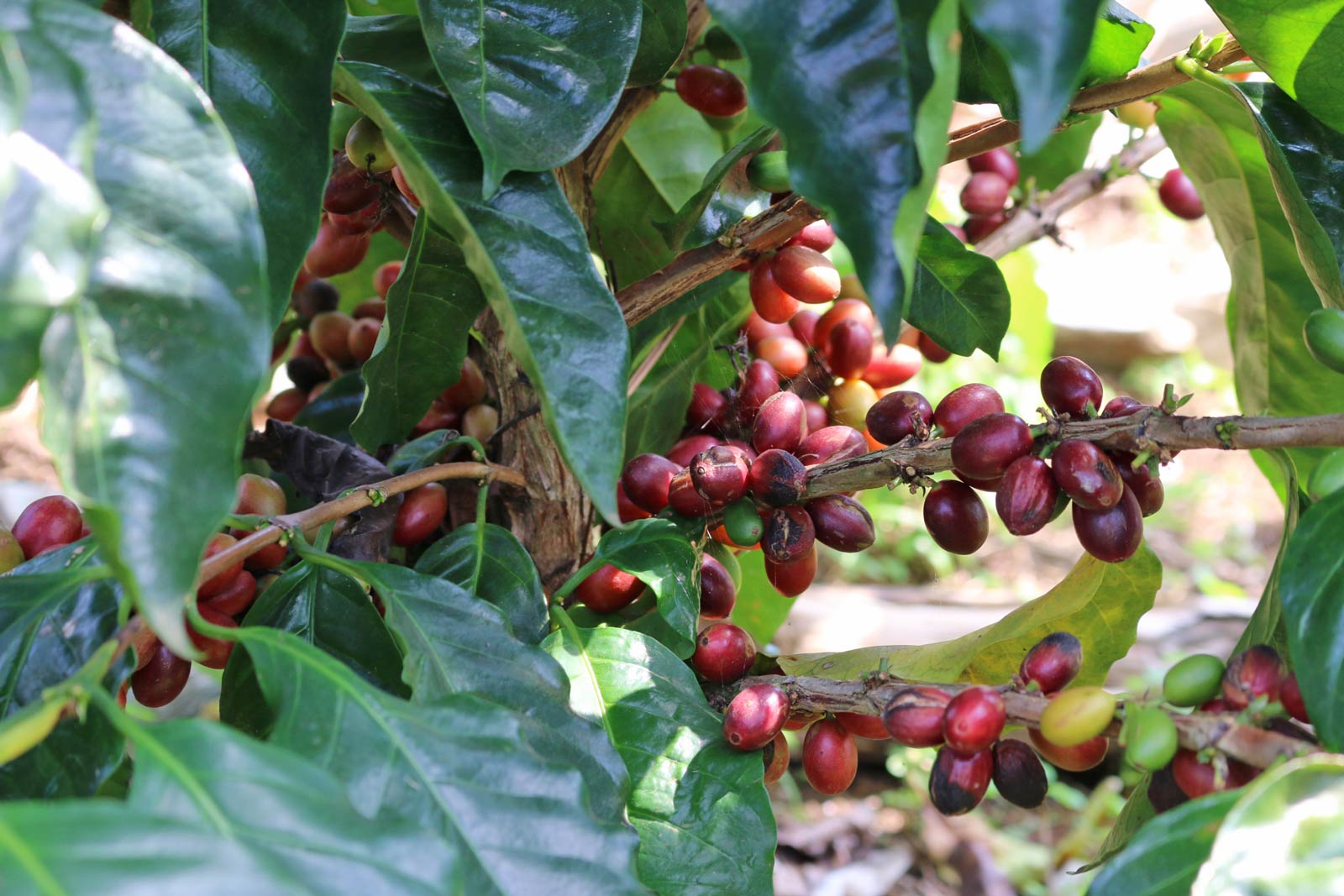
Clusters of ripe coffee cherries on the branch. Each one contains the seeds that become coffee beans — and each must be picked at just the right moment to preserve quality.
Here’s the Catch
Even if you know about the difference-making variables listed above… making the perfect cup consistently is another story.
You’re grinding beans, eyeballing measurements, adjusting temperatures (or not), dealing with whatever your tap water is doing that day — all while trying to get out the door in the morning.
That’s why even good home setups tend to produce inconsistent results.
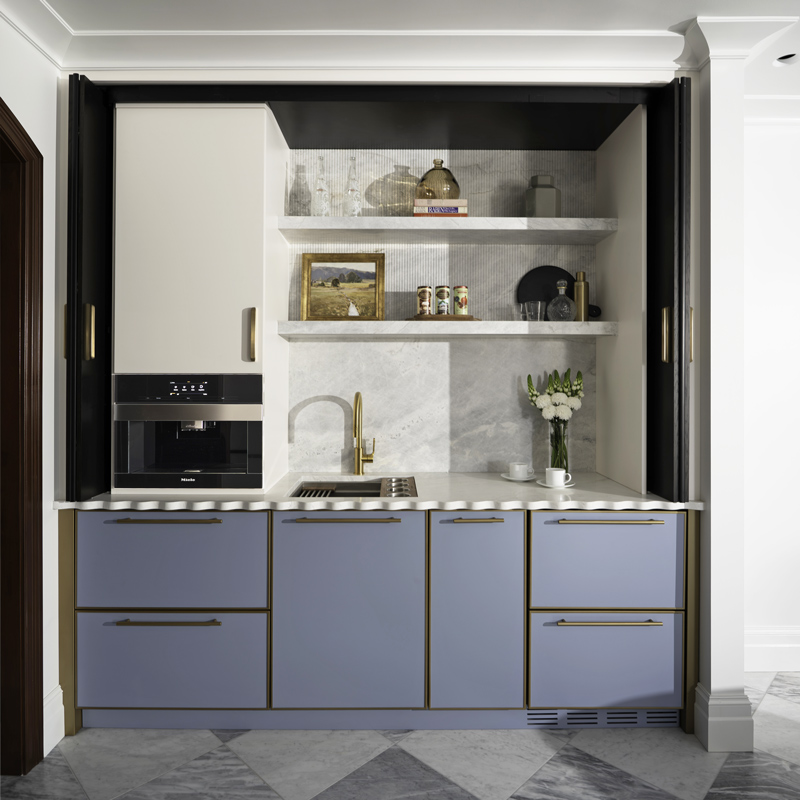
Many of our clients work with our designers to create beverage stations away from the kitchen. Built-in coffee machines offer convenient, high-quality coffee at the touch of a button.
What These Built-In Coffee Systems Actually Do
This is where things get interesting.
A lot of people see built-in coffee machines — the ones integrated into cabinetry like an oven — and assume they’re just a luxury version of a countertop machine.
They’re not.
They’re designed to quietly control all of those variables — the ones we just walked through — behind the scenes.
And from the user’s perspective, it’s surprisingly simple.
It’s Not Complicated — It’s Button-Based
Here’s what using one actually looks like:
- Load whole beans (The Miele unit in our showroom has three separate bean containers. We go with light, dark and decaf.)
- Click the milk vessel into place
- Select your drink — espresso, cappuccino, latte, etc.
- Adjust strength or size if you want
- Press a button
That’s it.
The machine:
- Grinds fresh for each cup
- Measures the dose
- Controls water temperature precisely
- Times extraction
- Froths milk automatically
- Even adjusts the spout height to your cup
You’re not managing the process — you’re choosing the outcome.
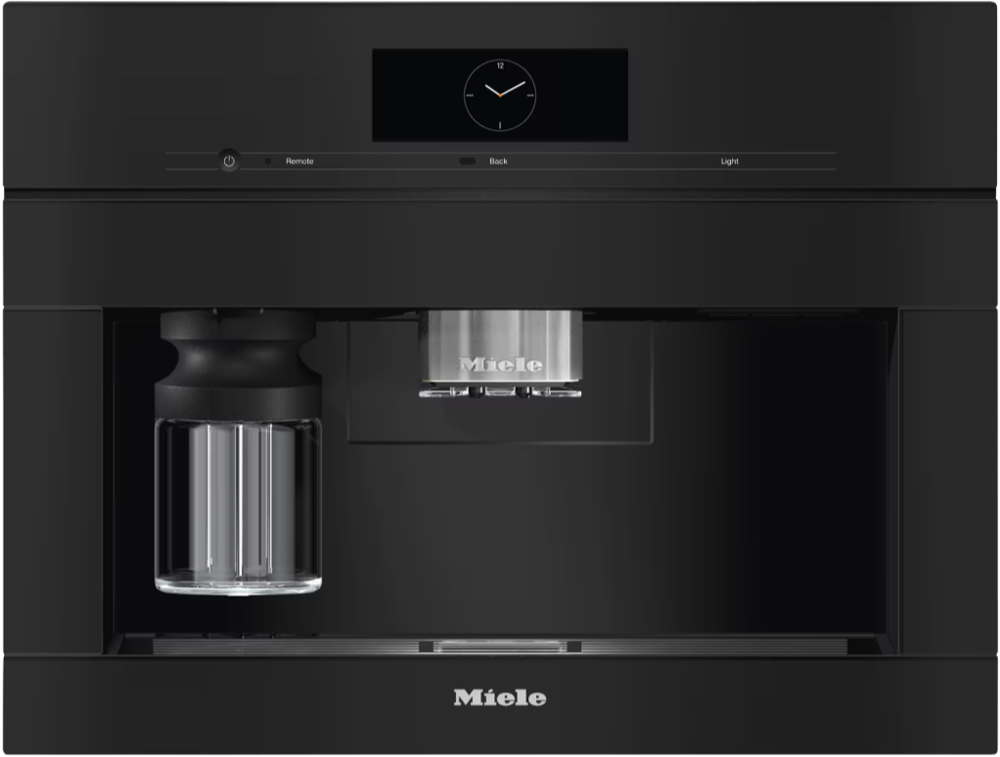
This Miele built-in coffee machine makes two drinks at once, at the touch of a button. Come by our showroom and give it a swirl – have a cup on us!
The Milk Piece (That Most People Don’t Realize)
This is one of the biggest misconceptions.
People assume milk drinks — cappuccinos, lattes, flat whites — require a separate process or some level of barista skill.
With these systems, the milk container locks into place, and the machine handles the rest:
- Heating
- Frothing
- Integrating it into the drink properly
You’re not steaming milk on the side or guessing at foam texture. It’s built into the experience.

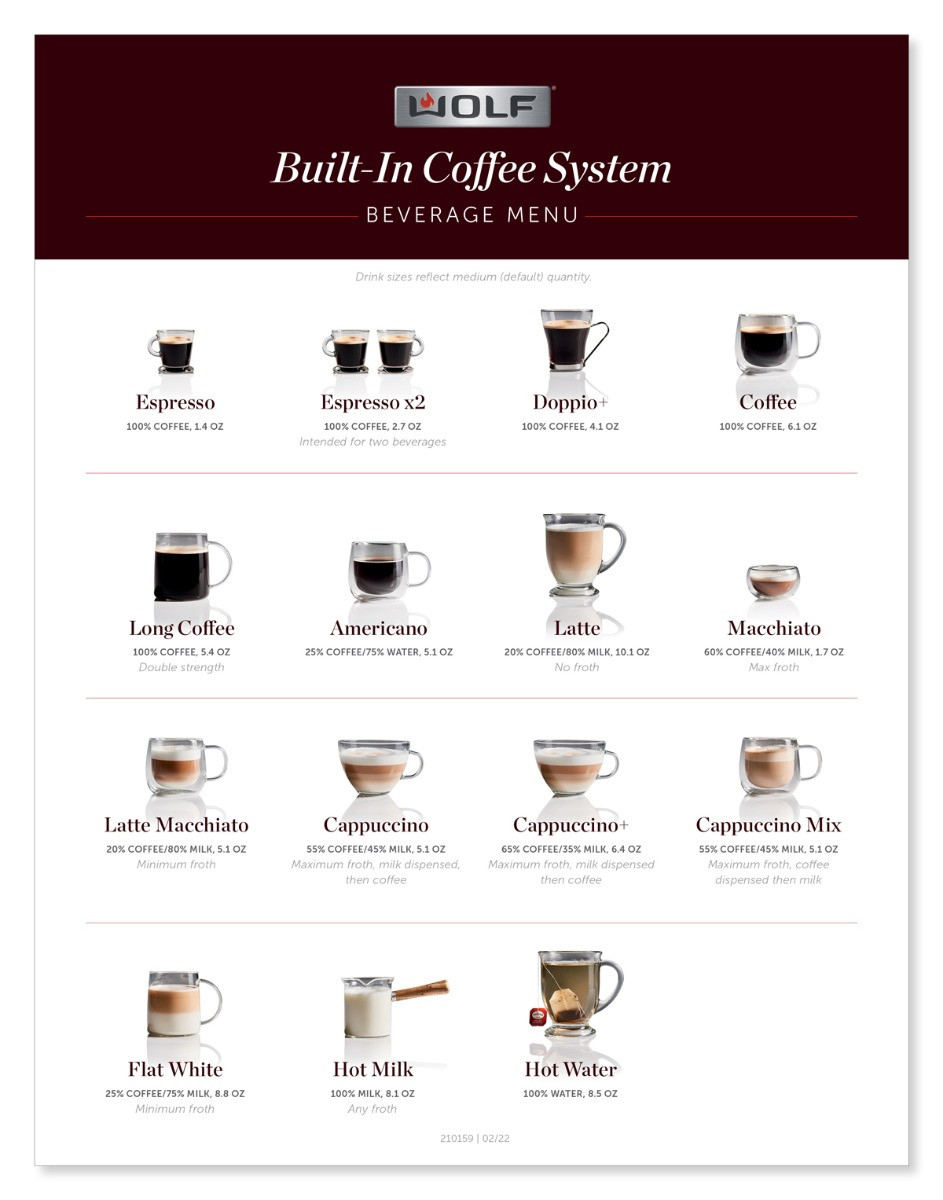
A Wolf built-in coffee system anchors this sitting room beverage station, offering classic coffee drinks at the touch of a button.
Where This Fits in a Kitchen (Or Beyond)
This isn’t about adding another appliance to the counter.
These machines are built into the cabinetry — often alongside ovens or in a dedicated beverage area — and become part of a larger, intentional design.
We’re seeing more homeowners incorporate:
- Coffee and beverage stations in kitchens
- Dedicated setups in home offices
- Additions in lower levels or theater rooms
It’s less about “having a coffee machine” and more about creating a place in the home where that daily ritual actually feels elevated.
A Quick Note on Brands
In our showroom, we feature a Miele built-in coffee system — the same one you’re welcome to try when you visit.
We also design and install the Wolf equivalent, which offers a similar level of control and integration.
Both are engineered around the same idea: take the variables that are hard to manage and handle them with precision.
If You’re Curious, Come Try It
We encourage people to spend time in our showroom — not just to look at kitchens, but to experience how everything works.
That includes the coffee.
You’re welcome to:
- Try different drinks
- See how the machine operates
- Get a feel for how it could fit into your space
We’ll walk you through it if you’d like — or you can just enjoy a cup and take a look around.
No pressure. Just good coffee.
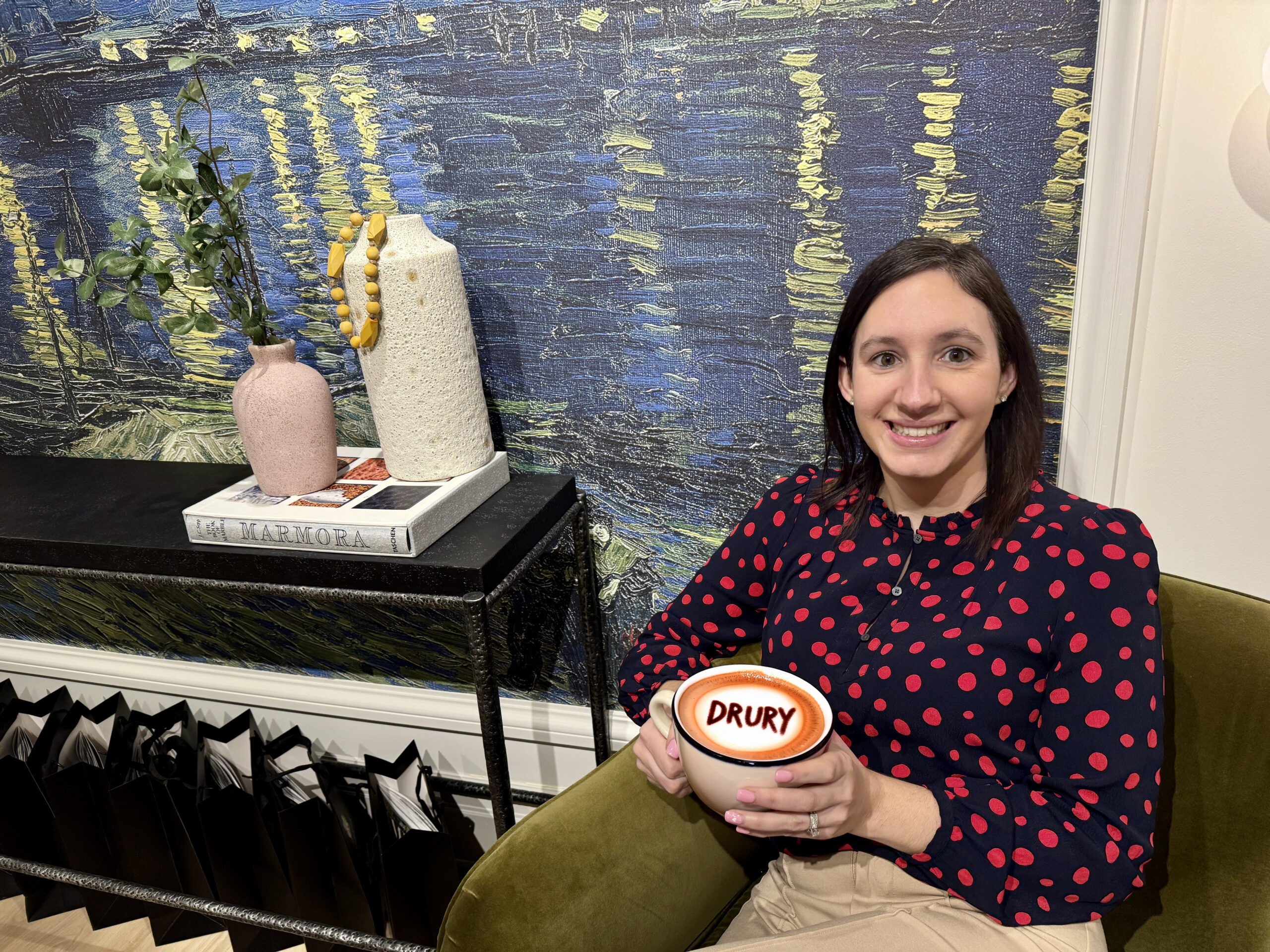
Senior Designer Samantha Schoell runs our coffee program. Stop by to have a favorite coffee drink or to see which drinks she’s featuring for the month!